


When Hair Loss Runs Deeper: Causes of Alopecia in Dogs and Cats
Changes in a pet’s coat can be easy to miss at first, then suddenly feel impossible to ignore. Thinning fur, bald patches, or uneven hair loss often signal more than routine shedding, and the pattern can offer important clues. In some pets, hair loss stems from skin-level issues like irritation or infection, while in others it reflects deeper hormonal shifts. Sorting out those differences is key to understanding what a pet needs next.
At Tidmore Veterinary Hospital in Northport, our AAHA-accredited team takes a personalized approach to hair loss concerns, with advanced diagnostics and clear communication. We combine general medicine, dentistry, surgery, and Traditional Chinese Veterinary Medicine to look at the whole picture. Our goal is to help you feel informed, supported, and confident in the path forward.
Why Your Pet’s Coat Changes Matter More Than You Think
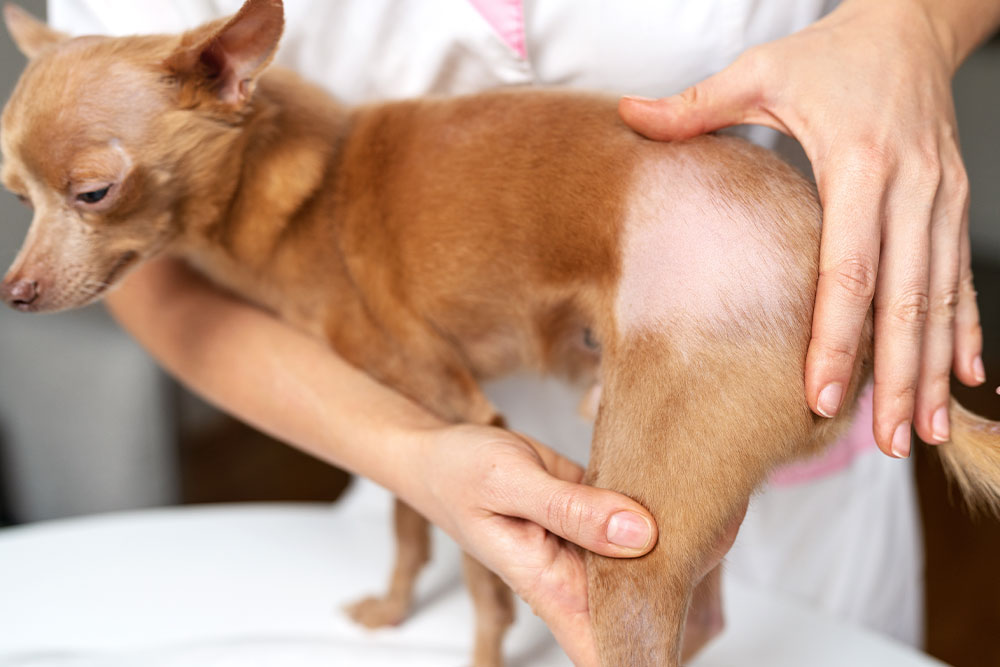
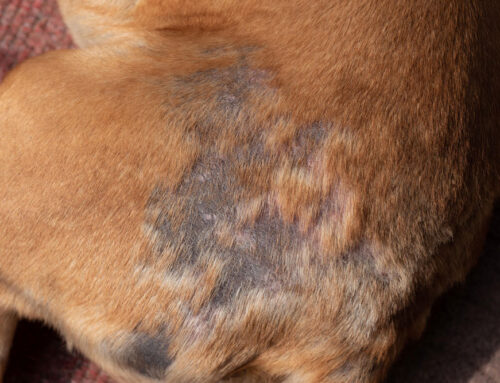
Noticing a bald patch on your dog’s flank or watching your cat groom the same spot until the fur disappears can feel alarming. You’re not overreacting. While some shedding is normal, alopecia describes partial or complete hair loss that points to a deeper issue.
Hair loss can result from skin irritation, parasites, hormonal changes, nutrition, stress, or grooming habits. The key is recognizing when shedding becomes concerning. Persistent itching, scaling skin, symmetrical bald areas, or obsessive licking all warrant a closer look.
Through our comprehensive services, we perform thorough dermatologic exams and use in-house diagnostics to identify causes quickly. We’re here to provide answers and relief.
What Separates Normal Shedding from Something More Serious?
Every pet sheds. But alopecia looks different and often progresses quickly.
| Normal Shedding | Abnormal Hair Loss (Alopecia) |
| Even thinning across body | Bald patches or localized loss |
| Seasonal pattern | Occurs any time of year |
| No skin changes | Redness, scaling, or irritation |
| Hair regrows normally | Hair doesn’t regrow or grows abnormally |
| No excessive scratching | Often accompanied by itching or licking |
If you notice these patterns, schedule a visit. Early detection often means simpler treatment and faster recovery.
The Many Faces of Hair Loss in Dogs and Cats
Alopecia is a symptom, not a diagnosis. The pattern of hair loss, whether your pet is itchy, and how the skin looks offer important clues. Accurate diagnosis blends your pet’s history with targeted testing.
At our AAHA-accredited facility, we use tools like skin scrapings and blood panels to pinpoint causes efficiently. Sometimes hair loss stems from a single issue like fleas. Other times, allergies and secondary infections overlap. Our comprehensive approach helps us get it right the first time.
When Allergies and Itching Drive Hair Loss
Environmental allergens, food sensitivities, and flea bites are common triggers. They inflame the skin and make it very itchy. Dogs scratch and chew until fur breaks off. Cats often overgroom, causing symmetrical bald spots on the belly, legs, or flanks.
Pet allergies can stem from pollen, dust mites, mold, or food ingredients. Even a single flea bite can trigger flea allergies, causing weeks of itching and hair loss concentrated near the tail base, lower back, and inner thighs.
Allergy management may include:
- Avoiding triggers when possible
- Gentle, veterinary-approved shampoos
- Year-round parasite prevention
- Dietary trials for food concerns
- Medications to reduce inflammation and itch
If your pet’s itch keeps returning, request an appointment for an allergy assessment. We’ll create a plan for comfort now and long-term control.
Parasites and Infections That Attack the Coat
Even indoor pets can get parasites or fungal infections that cause patchy hair loss. Fleas are most common, but lice and mites can also create problems. Demodex mites live in hair follicles and may multiply when immunity dips. Sarcoptic mange mites burrow into the skin and cause intense itching.
Ringworm is a fungus that creates circular bald spots with scaly edges and can spread between pets and people. Kittens, puppies, stressed pets, and those with lowered immunity are at higher risk.
Typical tests include:
- Skin scrapings to look for mites
- Cytology to check for bacteria or yeast
- Fungal cultures to confirm ringworm
- Flea combing to find evidence of infestation
We run many tests in-house for quicker answers and treatment. Because some of these conditions are contagious, same-week appointments are best when you notice sudden bald patches or intense scratching.
Hormonal Imbalances That Show Up in the Coat
Symmetrical hair loss without much itching often points to endocrine (hormone) causes. These conditions affect hair growth cycles across the body and can look different from allergy-related loss.
Thyroid and Adrenal Disorders
- Hypothyroidism happens when the thyroid doesn’t make enough hormone. Dogs may have thinning on the trunk and tail (“rat tail” appearance), weight gain, and low energy.
- Cushing’s disease results from excess cortisol. Affected dogs often develop thin skin, a pot-bellied look, increased thirst, and bilateral hair loss that spares the head and legs.
- Hyperthyroidism in cats causes the opposite problem, with an overactive thyroid speeding up metabolism. Affected cats often have patchy, unkempt coats alongside weight loss and increased appetite.
Sex Hormone Imbalances
Sex hormone imbalances can change coat quality too. Testicular tumors in intact males may produce excess estrogen, leading to symmetrical hair loss on the flanks, chest, and genital area, along with enlarged mammary glands and attraction from other male dogs. Intact females may develop hair loss related to ovarian cysts or tumors affecting estrogen levels. Spaying or neutering often resolves hormone-related alopecia in these cases.
Human Topical Hormone Exposure Risks
Pet owners using hormone replacement creams can inadvertently cause hair loss in their pets. When owners use estrogen creams, testosterone gels, or other topical hormone therapies and pets lick the application site or have skin-to-skin contact, they can absorb these hormones. This exposure can cause hair loss, mammary gland enlargement, vulvar swelling in spayed females, and behavioral changes. If you use topical hormone medications, apply them to areas your pet cannot reach, wash your hands thoroughly, and cover the application site with clothing.
Why Routine Blood Work Matters
Diagnosing endocrine conditions requires routine blood work. Routine laboratory testing can reveal hormone imbalances long before symptoms become obvious, making regular screening crucial for early detection and intervention. With proper treatment, hair typically regrows over several months.
Genetic Patterns and Breed-Specific Hair Loss
Some dogs inherit coat conditions that cause predictable hair loss. These genetic causes usually don’t itch but can affect appearance.
- Color dilution alopecia affects dilute coat colors like blue, fawn, or silver, leading to brittle hair and patchy thinning. This condition is common in Dobermans, Weimaraners, and Italian Greyhounds.
- Flank alopecia creates seasonal bald patches on a dog’s sides, often appearing in winter and regrowing in spring. Boxers, Bulldogs, and Airedales are commonly affected.
- Pattern baldness causes gradual thinning in specific areas and is common in Dachshunds and Chihuahuas.
- Sebaceous adenitis involves immune-mediated destruction of the oil glands, leading to hair loss, scaling, and a waxy coat. While more common in Poodles, it can occur in any breed.
- Post-clipping alopecia can occur after shaving, with slow regrowth in the shaved area, especially in Arctic breeds.
Even with breed predispositions, we rule out other causes before diagnosing genetic alopecia. Our doctors are experienced with breed-specific dermatology and can guide next steps.
Stress, Anxiety, and Behavioral Overgrooming
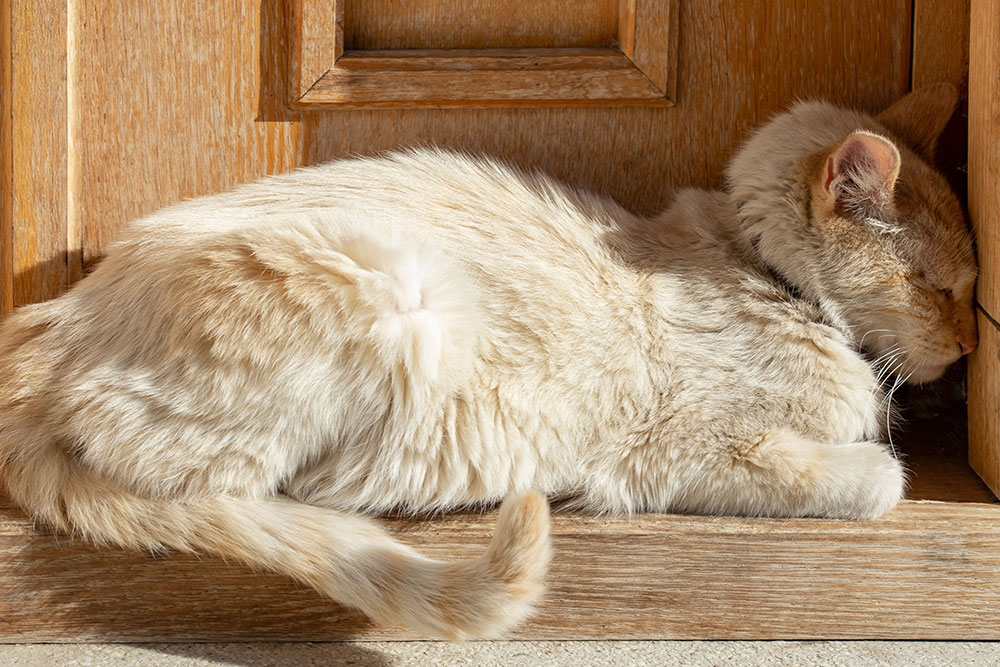
Cats often show stress through excessive grooming. Psychogenic alopecia is hair loss caused by licking or chewing driven by anxiety, not skin disease. Common feline life stressors include changes at home, new pets or people, outdoor cats near windows, or not enough enrichment.
Dogs can develop similar habits, though less commonly. Signs of stress-related hair loss include:
- Symmetrical bald areas on the belly, inner thighs, or forelegs
- Normal-looking skin without redness or scaling
- Grooming triggered by certain events or times
- Worsening during stressful periods
Addressing this type of alopecia means ruling out medical causes and improving the environment. A wellness visit can help us create a practical plan, sometimes paired with short-term anti-anxiety support.
How Nutrition and Grooming Affect Coat Health
Diet directly impacts skin and coat. Protein fuels hair growth, and omega fatty acids support the skin barrier. Pets eating unbalanced diets, or those with digestive troubles, may develop dull, brittle coats that shed more.
Nutritional factors affecting coat health:
- Omega-3 and omega-6 fatty acid deficiency
- Inadequate protein intake
- Zinc or biotin deficiency
- Poor-quality commercial diets
Regular grooming removes dead hair, spreads natural oils, and helps you spot problems early. But too-frequent baths or harsh shampoos can irritate skin. Balance matters.
Coat health basics:
- Feed high-quality, life-stage-appropriate food
- Brush long-haired pets several times weekly
- Bathe only when needed with gentle, pet-safe products
- Trim mats so they don’t pull on skin
- Watch for new shedding patterns or texture changes
During wellness visits, we can review diet and grooming routines and suggest simple adjustments.
The Diagnostic Journey: From Symptoms to Answers
When you bring your pet in for hair loss, we start with a clear history: how long it’s been happening, whether your pet is itchy, and any recent changes in diet, environment, or stress. That context helps us target testing.
On exam, we look at the pattern of hair loss, skin changes, and coat quality. We check for fleas and assess overall health.
Based on findings, we may recommend:
- Skin scrapings for mites
- Cytology for bacteria or yeast
- Fungal cultures if ringworm seems likely (results take 7-14 days)
- Blood panels for thyroid, adrenal, or sex hormone issues
- Allergy testing or an elimination diet for suspected sensitivities
Our AAHA accreditation reflects our commitment to high diagnostic standards and efficient in-house testing. Clear answers help us treat effectively and avoid trial-and-error.
Matching Treatment to What Your Pet Actually Needs
Treatment works best when it targets the cause. One-size-fits-all approaches don’t help.
| Cause | Treatment Approach |
| Allergies | Antihistamines, medicated shampoos, omega supplements, immunotherapy |
| Parasites | Prescription preventives, environmental cleaning, medicated dips |
| Hormonal disorders | Daily medication, hormone therapy, regular blood monitoring |
| Skin infections | Antibiotics (bacterial) or antifungal medications |
| Stress/anxiety | Behavior modification, environmental enrichment, calming therapies |
| Nutritional deficiencies | Diet improvement, herbal therapy, omega supplementation |
Hair regrowth takes time. Most pets need weeks to months to see full improvement. We’ll schedule follow-ups to track progress and fine-tune care. You can request an appointment to discuss treatment options and timelines.
Keeping Your Pet’s Coat Healthy for the Long Term
Prevention reduces the chances of hair loss and catches issues early.
- Year-round parasite control helps even indoor pets. Fleas can ride in on clothing, and one bite can trigger reactions in sensitive animals.
- Balanced nutrition supports the skin from within. Choose a life-stage-appropriate diet and consider supplements if recommended.
- Routine grooming and weekly skin checks help you notice changes sooner.
- Annual wellness exams allow us to spot subtle shifts in skin and coat before they escalate.
Small, consistent steps add up and keep your pet comfortable.
FAQs: Quick Answers for Pet Owners
What is alopecia in pets? Alopecia means partial or complete hair loss. It’s a symptom that can be caused by allergies, parasites, hormones, stress, or genetics.
When should I worry about shedding? If hair loss is patchy or symmetrical, your pet is itchy, the skin looks red or scaly, or shedding worsens quickly, it’s time for a vet visit.
Can indoor pets get fleas or ringworm? Yes. Fleas can hitch a ride on people or other animals, and ringworm is a contagious fungus that spreads easily.
Will my pet’s hair grow back? In most cases, yes. Parasite-related hair loss often improves within 4-6 weeks. Hormonal conditions may take 3-6 months once medication is stabilized. Some genetic conditions may not regrow hair completely.
Is hair loss in pets contagious to humans? Most causes are not contagious. However, ringworm and sarcoptic mange can spread to humans. If your pet has circular bald patches with scaly edges, seek veterinary care promptly and wash your hands after handling.
Can food allergies cause hair loss? Yes. Food allergies can cause itchy skin, ear infections, and hair loss, typically affecting the face, ears, paws, and rear end. Diagnosis requires a strict elimination diet trial lasting 8-12 weeks.
Do I need tests, or can we just try a shampoo? Targeted tests help us treat the right problem and avoid delays. We recommend simple, focused diagnostics first.
Your Partner in Solving Hair Loss Concerns
Most cases of alopecia improve once we identify and treat the cause. Whether it’s allergies, hormones, parasites, or stress, real solutions exist to restore comfort and coat health. The pattern of hair loss, presence of itch, and overall health all provide important clues, so prompt evaluation matters.
At Tidmore Veterinary Hospital, we combine advanced diagnostics with personalized plans tailored to your pet. We’re here to help, guide, and ease your worries from diagnosis to prevention. Noticing new bald spots or persistent itching? Contact us or request an appointment today. We’ll partner with you to get your pet back to feeling and looking their best.

Leave A Comment