


Too High or Too Low: Recognizing Thyroid Disorders in Pets
You watch your pet sleep more, maybe they’re gaining or losing weight despite normal eating habits, and you worry. Is it just old age, or is something else going on? Changes in appetite, weight, or energy often signal thyroid dysfunction, a surprisingly common issue. Learning how these hormonal shifts affect your animal helps you advocate for timely testing and ensure lifelong management for a stable, healthy metabolism.
At Tidmore Veterinary Hospital, our dedicated team combines advanced services and personalized care to detect and manage thyroid disorders early. With in-house diagnostics and ongoing monitoring, we help pets thrive through every stage of treatment.
Understanding Thyroid Disease in Pets
The Role of the Thyroid Gland in Your Pet
The thyroid gland, located in the neck, is responsible for regulating metabolism, heart rate, and body temperature. When it produces too little or too much hormone, pets experience significant shifts in energy, weight, and coat condition.
Dogs are most often affected by hypothyroidism, a condition where the thyroid underperforms, while cats commonly experience hyperthyroidism, where it overproduces hormones. Both disorders can appear similar at first glance, weight changes, appetite shifts, or altered energy, but their underlying causes and treatments differ.
Our doctors emphasize regular wellness exams and blood testing, particularly for middle-aged and senior pets, to detect thyroid issues before they affect a pet’s long-term health.
Causes and Risk Factors for Thyroid Disorders in Pets
Hypothyroidism in Dogs
Canine hypothyroidism often results from autoimmune thyroiditis or idiopathic gland atrophy, where the thyroid tissue gradually deteriorates. Breeds such as Golden Retrievers, Dobermans, and Cocker Spaniels may be more predisposed. Symptoms typically appear between ages four and 10, when metabolism begins to slow.
Routine screening during wellness visits is key, especially for dogs with genetic predispositions or unexplained weight gain. Our diagnostic team at Tidmore Veterinary Hospital offers accurate thyroid testing, ensuring your pet’s hormone balance is assessed with care and precision.
Hyperthyroidism in Cats
In contrast, feline hyperthyroidism usually stems from benign growths on the thyroid gland. It’s most common in older cats, often leading to excessive hunger paired with weight loss, restlessness, or an elevated heart rate. Environmental and dietary factors may also play a role.
Managing hyperthyroidism early helps prevent secondary issues such as high blood pressure or heart disease. Our team provides tailored treatment plans and nutritional guidance for long-term stability.
Catching Thyroid Imbalances Before They Escalate
Thyroid hormones influence nearly every organ in the body. When they become unbalanced, pets may experience wide-ranging effects from skin and coat problems to heart strain and metabolic disruption. Regular preventive testing allows veterinarians to detect even subtle changes before symptoms worsen.
For dogs with low hormone levels, early treatment prevents chronic fatigue and obesity. For cats with excess thyroid activity, early control protects the kidneys and heart. Our team encourages consistent wellness exams to monitor hormone levels and keep your pet feeling their best year-round.
Recognizing Thyroid Disease Symptoms in Dogs and Cats
Hypothyroidism Symptoms in Dogs
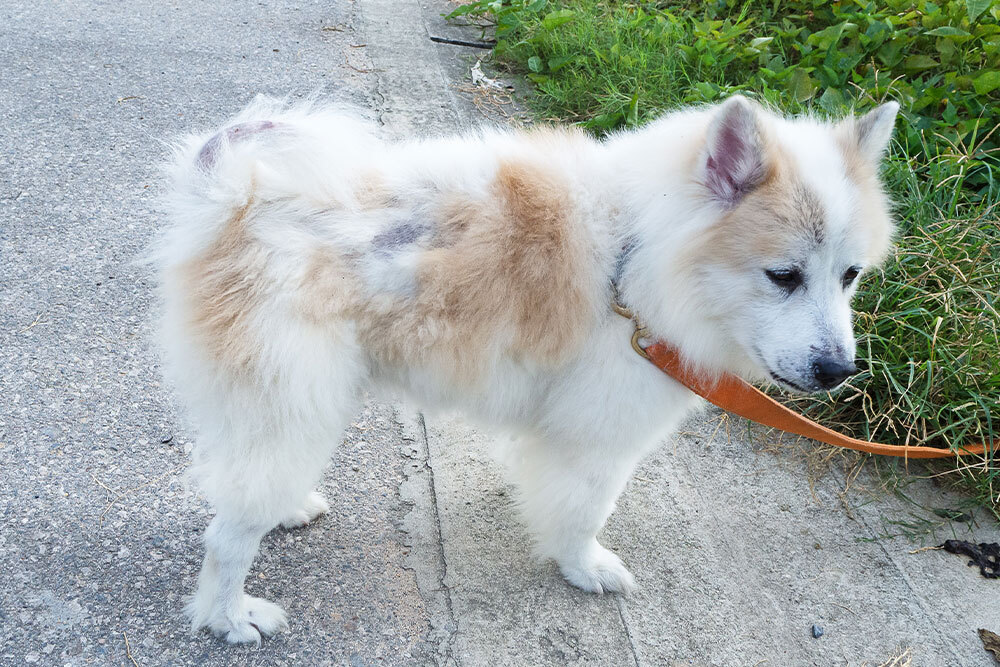
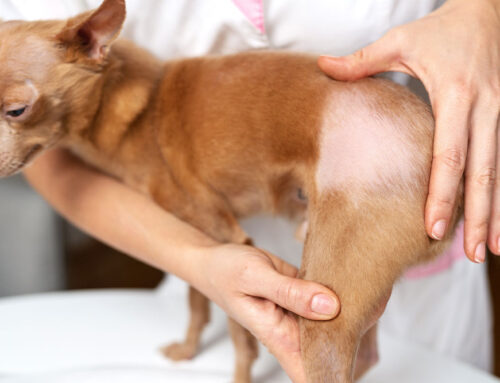
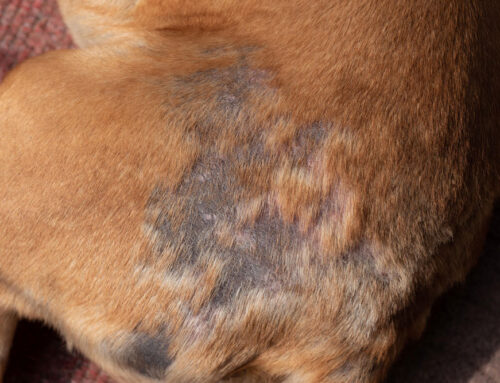
Dogs with low thyroid function may seem sluggish or less enthusiastic about walks and play. Lethargy, unexplained weight gain, intolerance to cold, recurring ear infections, and thinning fur around the tail or neck are common clues. Skin may appear dry or flaky, and some dogs become more anxious or withdrawn.
At Tidmore Veterinary Hospital, we use in-house diagnostics to rule out other causes of these symptoms, ensuring your dog receives accurate treatment tailored to their condition.
Hyperthyroidism Symptoms in Cats
Cats with overactive thyroids often lose weight despite eating more than usual. Their heart rates can increase, and they may become restless, vocal, or irritable. Gastrointestinal upset, increased thirst, and subtle behavior changes in older cats can also occur. A noticeable lump in the neck region is sometimes present.
Because many of these signs overlap with other age-related issues, comprehensive exams and lab tests are essential for a correct diagnosis.
Diagnosing Thyroid Disease in Pets
Diagnosis begins with a detailed physical examination, including palpation of the thyroid glands and a review of clinical signs. Bloodwork measuring Total T4, Free T4, and TSH levels helps confirm whether a pet has an overactive or underactive thyroid. Additional testing, such as thyroid antibody assays or imaging, may be used in complex cases.
Our team’s experience with diagnostic interpretation ensures each result is considered in context, especially if your pet has other medical conditions or medications that influence hormone levels.
Complications of Untreated Thyroid Disease
Risks of Unmanaged Hypothyroidism in Dogs
When hypothyroidism goes untreated, the consequences extend far beyond sluggishness and weight gain. Severe cases can progress to myxedema, a rare but life-threatening condition where fluid accumulates in tissues, causing facial swelling, mental dullness, and potentially coma. Chronic low thyroid hormone levels also contribute to obesity, which places additional strain on joints, increases the risk of diabetes, and can shorten lifespan. Untreated hypothyroid dogs may develop chronic skin infections, persistent ear problems, and behavioral changes including anxiety or aggression. The cumulative effect of these complications significantly diminishes quality of life and can lead to secondary health crises that are far more difficult to manage than the original thyroid imbalance.
Dangers of Untreated Hyperthyroidism in Cats
Feline hyperthyroidism, if left uncontrolled, wreaks havoc on multiple organ systems. The heart is particularly vulnerable- chronic elevation of thyroid hormones forces the heart to work harder, leading to hypertrophic cardiomyopathy and heart disease that can result in congestive heart failure, blood clots, or sudden death. Untreated hyperthyroid cats frequently develop hypertension, or high blood pressure, which can cause retinal detachment and sudden blindness, kidney damage, and neurological symptoms like seizures or stroke. The kidneys are also at risk, as hyperthyroidism can mask underlying chronic kidney disease by temporarily improving kidney blood flow through elevated blood pressure and increased cardiac output. When thyroid hormone levels are finally controlled, previously hidden kidney failure may become apparent, complicating treatment and prognosis. Weight loss despite ravenous appetite leads to muscle wasting and severe malnutrition, leaving cats frail and vulnerable to infection.
Early intervention prevents these cascading complications and allows pets to maintain stable health with manageable treatment protocols. At Tidmore Veterinary Hospital, we emphasize the importance of timely diagnosis and consistent monitoring to protect your pet from these serious outcomes.
Treatment Options for Thyroid Disorders
Managing Hypothyroidism in Dogs
Treatment for hypothyroidism focuses on daily hormone replacement therapy using levothyroxine. Within weeks of starting medication, most dogs regain energy, shed excess weight, and enjoy healthier skin and coats. Periodic rechecks allow your veterinarian to adjust dosage as needed and monitor progress.
Our services include personalised treatment plans and ongoing support to help you manage medication routines confidently at home.
Managing Hyperthyroidism in Cats
Feline hyperthyroidism management offers several options: medication, dietary therapy, radioactive iodine treatment, or surgery. Methimazole (oral or transdermal) is often the first step, helping control hormone levels and ease symptoms.
For some cats, therapeutic diets that limit iodine intake are highly effective. In more advanced cases, surgical removal of abnormal tissue or referral for radioactive iodine therapy may be recommended. Because hyperthyroidism can stress the heart, we often perform cardiac evaluations before initiating treatment to ensure your cat’s heart hasn’t been damaged.
Our veterinarians guide owners through these choices with compassion and clarity, helping each cat receive the safest and most effective treatment plan.
How to Help Your Pet Live With Thyroid Disease
Thyroid disease requires long-term management, but most pets live full, healthy lives with proper treatment. Consistency is key, give medications at the same time daily, follow dietary recommendations, and attend regular check-ups.
At Tidmore Veterinary Hospital, our team supports you throughout the process, from initial diagnosis to lifelong care. Our commitment to communication means you’ll always have a trusted partner for any questions or concerns.
At-Home Support and Prevention for Your Pet
Even with treatment, ongoing vigilance helps maintain your pet’s balance. Annual blood tests, regular veterinary visits, and keeping a simple health journal can make a significant difference. Monitor appetite, coat texture, and behavior between appointments, and alert your vet to any new developments.
Our preventive care focus includes tailored wellness plans and nutritional counseling through our Chi Institute approach, integrating both Western and Traditional Chinese Veterinary Medicine principles for holistic balance.
Preparing for Your Pet’s Veterinary Visit
Before your appointment, gather information about your pet’s current diet, medications, and any recent changes in energy or appetite. Bringing written notes or short videos of behaviour changes can help your veterinarian spot subtle patterns.
If you suspect thyroid imbalance or notice signs of hormonal change, don’t wait. Request an appointment or contact us to schedule a consultation.
Proactive Thyroid Health Management for Your Pet
Thyroid disorders may sound daunting, but with attentive care, early testing, and a supportive veterinary team, your pet can enjoy an active, healthy life. At Tidmore Veterinary Hospital, we’re an AAHA-accredited clinic dedicated to helping pets achieve balance, physically and emotionally, through evidence-based medicine and compassionate partnership.
Whether your pet needs advanced diagnostics, endocrine therapy, or ongoing management, our caring team is here to help every step of the way.

Leave A Comment