


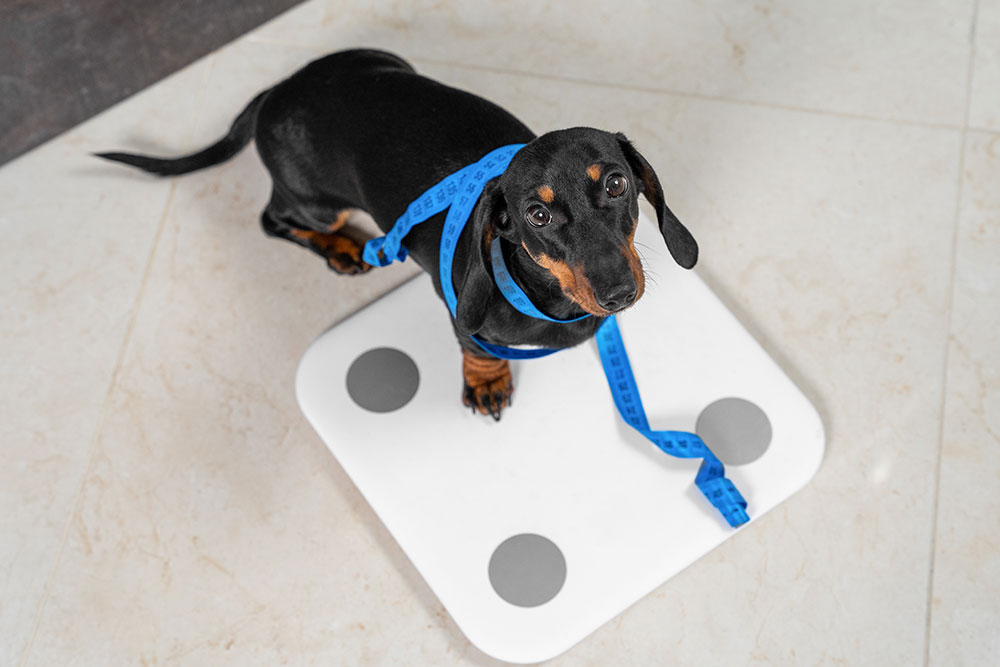
It is tempting to rely on the number on the scale at your pet’s visit to decide whether they are at a healthy weight. But that number can be misleading. A compact, muscular dog can weigh the same as a soft, overweight dog of the same breed, and without looking at the whole picture, the scale treats them the same. Body condition scoring goes beyond weight to evaluate how much fat and muscle your pet is carrying relative to their frame, and it is one of the most practical tools we have for catching weight problems early.
At Tidmore Veterinary Hospital, we are AAHA-accredited and committed to staying at the forefront of veterinary care, including the preventive side. Body condition scoring is part of every wellness exam because we believe catching a few extra pounds early is far better than treating the joint disease, diabetes, or heart strain that comes later. Request an appointment or contact us to have your pet’s body condition assessed, and ask us to show you how to do it at home so you can keep track between appointments.
Why the Scale Doesn’t Tell the Whole Story
Muscle health matters as much as weight. Muscle is denser than fat, so a lean, well-muscled pet can weigh more than a softer, heavier-looking pet of the same size. Breed and build complicate the picture further: a fit Border Collie and a healthy Bulldog look completely different at similar weights. And a show-ring appearance is not always the same as what is healthiest for joints and longevity.
Body condition scoring evaluates the whole picture, looking at fat and muscle together, giving a far more accurate assessment than weight alone.
How to Body Condition Score Your Pet
This is a hands-on assessment. You will need to run your hands over your pet rather than just look.
Step 1: Feel the ribs. Place your hands lightly on the sides of the chest with thumbs along the spine. Without pressing hard, slide your fingers over the ribs. You should be able to feel each rib distinctly with gentle pressure, similar to feeling your knuckles through the back of a loosely closed fist.
Step 2: Look from above. There should be a visible waist narrowing behind the ribcage when viewed from directly above.
Step 3: Look from the side. The belly should tuck upward behind the chest, not hang level with it.
Step 4: Check fat deposits. Feel along the spine, at the tail base, and around the face. In overweight pets, fat pads develop in these areas.
The Body Condition Scale Categories
- Scores 1 to 3 (Underweight): Ribs, spine, and hips are easy to see and feel; little to no fat covering; obvious tuck
- Scores 4 to 5 (Ideal): Ribs are easy to feel with gentle pressure; visible waist from above; gentle upward abdominal tuck
- Scores 6 to 7 (Overweight): Ribs require firm pressure to feel; waist is hard to distinguish; belly begins to sag
- Scores 8 to 9 (Obese): Ribs very difficult to feel under substantial fat; no waist visible; prominent fat deposits at tail base and spine
Do this monthly. Fluffy coats are particularly good at hiding gradual changes, and hands tell you more than eyes.
What Being Overweight Actually Costs
It is easy to feed a little extra because it feels like love. The challenge is that those extra calories accumulate into real medical consequences over years. Obesity and lifespan research in pets consistently shows that overweight animals live shorter lives and spend more of those years in discomfort.
Beyond lifespan, overweight pets require more food and treats, increasing annual costs meaningfully. And the medical conditions that follow, including joint surgery, diabetes management, and specialist care, are far more expensive than the weight management support that prevents them.
Medical Risks From Carrying Extra Weight
Extra pounds place stress on almost every body system:
- Diabetes: obesity is a primary driver of insulin resistance in both cats and dogs
- Intervertebral disc disease: extra weight accelerates spinal disc degeneration, particularly in predisposed breeds
- Arthritis: every pound above ideal weight increases load on every joint with every step
- Urinary stones: obesity is associated with increased stone formation risk
- High blood pressure: excess weight strains the cardiovascular system
- Heart disease: the heart works harder to circulate blood through a larger body
- Heat stroke: extra fat reduces heat dissipation, a particular concern in Alabama’s hot summers
What Being Underweight Signals
Underweight pets face serious challenges of their own: weakened immunity, difficulty maintaining body temperature, muscle loss that affects mobility and strength, and slower recovery from illness or injury. Gradual weight loss in a senior cat is particularly meaningful and warrants evaluation rather than being attributed to normal aging. Reach out to our team if your pet has lost weight without an obvious explanation.
How Much to Actually Feed
Food portions should be based on your pet’s ideal body weight, not their current weight. Most labels give feeding ranges that are intentionally broad and tend to be generous.
Portion guidelines recommend measuring every meal with a proper measuring cup or a kitchen scale for accuracy. Estimating with a scoop or pouring until it “looks right” typically leads to overfeeding over time. A calorie calculator can help estimate daily calorie needs for your pet’s size and activity level.
Avoid all-day grazing. Cats who free-feed tend to be less active between meals and often eat more than they need. Measured meals on a schedule make intake clear and make weight management possible.
Choosing the Right Diet
Not all weight management diets perform the same. Prescription weight-loss diets undergo controlled feeding trials to verify they deliver consistent, safe fat loss while preserving lean muscle. Choosing pet food for a weight management goal is genuinely different from choosing everyday maintenance food. Fiber in weight loss diets plays an important role in satiety, helping pets feel full on fewer calories. We have a number of great weight loss diets we can recommend that will help your pet lose weight while keeping them from thinking they are starving.
For cats who are being calorie-restricted, never cut calories quickly or allow complete food refusal for more than 24 to 48 hours. Cats who stop eating can develop hepatic lipidosis, a serious liver condition, rapidly. Let us know if your cat refuses to eat on a new diet.
Choosing the Right Treats
Treats are often the hidden source of calorie creep in a weight management plan. Every bite adds up, and many treats carry far more calories than their small size suggests. A few generous training rewards, a dental chew, and a spoonful of peanut butter in a Kong can easily add 100 to 200 calories to a small dog’s day without anyone realizing it.
The rule is simple: if it passes your pet’s lips, it counts toward their daily calories. That includes:
- Training treats and commercial pet treats
- Dental chews, bully sticks, rawhide, and any long-lasting chew
- Peanut butter or cream cheese used in puzzle toys
- Table scraps and human food bites
- Small pieces of food used to hide medications
Aim for treats that are 3 calories or fewer per piece for small dogs and cats, and no more than 10 to 15 calories each for larger dogs. Single-ingredient options like small pieces of plain cooked chicken breast, apple slices, green beans, baby carrots, or a few blueberries are satisfying without the calorie density of commercial biscuits.
Treats should not exceed 10 percent of daily calorie intake. For a 20-pound dog eating around 400 calories a day, that works out to 40 calories from treats total, which is a tighter budget than it first appears. Counting dental chews and long-lasting chews into that limit is where most plans slip, since these items can run 50 to 150 calories each on their own.
Some of the best rewards are not food at all. Play, praise, affection, and a short game of tug or fetch can be just as motivating for many pets and add nothing to the daily total- or even burn more calories. Our services include personalized nutrition counseling to match the right diet and treats to your pet’s specific goals and health status.
Making Weight Loss Work at Home
Dog weight loss works best with structured, gradual exercise increases alongside calorie reduction. Start with short, frequent walks and build duration slowly over weeks. Swimming and controlled fetch provide lower-impact exercise for dogs with joint problems. Slow feeders, scatter feeding, and toys that dispense kibble help make meals last longer than the few minutes it takes to inhale food from a bowl.
Cat weight loss requires creativity because cats do not exercise on command. Play that mimics hunting, multiple short sessions daily, vertical territory, and interactive feeders that require work for each meal build movement into daily routine. Puzzle feeders extend mealtime and provide mental stimulation alongside physical activity.
When Weight Change Signals a Medical Problem
Sometimes weight gain or loss is not primarily about food intake. Several conditions alter how the body manages energy:
- Hypothyroidism: slows metabolism in dogs; leads to weight gain despite normal food intake
- Cushing’s disease: causes increased appetite, pot-bellied appearance, and weight redistribution
- Feline hyperthyroidism: drives weight loss despite ravenous appetite
- Chronic kidney disease: produces gradual weight loss, muscle wasting, and decreased appetite in older cats
- Cancer: can cause weight loss alongside other systemic changes
When weight change is unexplained, bloodwork is the most efficient way to identify whether a medical condition is driving it. Annual wellness bloodwork establishes the baseline that makes early metabolic shifts detectable.
Monitoring Through Every Life Stage
Body condition needs shift continuously. Puppies and kittens need calorie-dense food to support growth but can develop unhealthy weight patterns if overfed during development. Adult pets need maintenance. Senior pets often lose muscle even when fat increases, requiring different nutritional support.
Any significant illness or recovery also changes what “ideal” looks like temporarily. After a serious illness, your pet may need nutritional rebuilding rather than weight management until they have fully recovered.
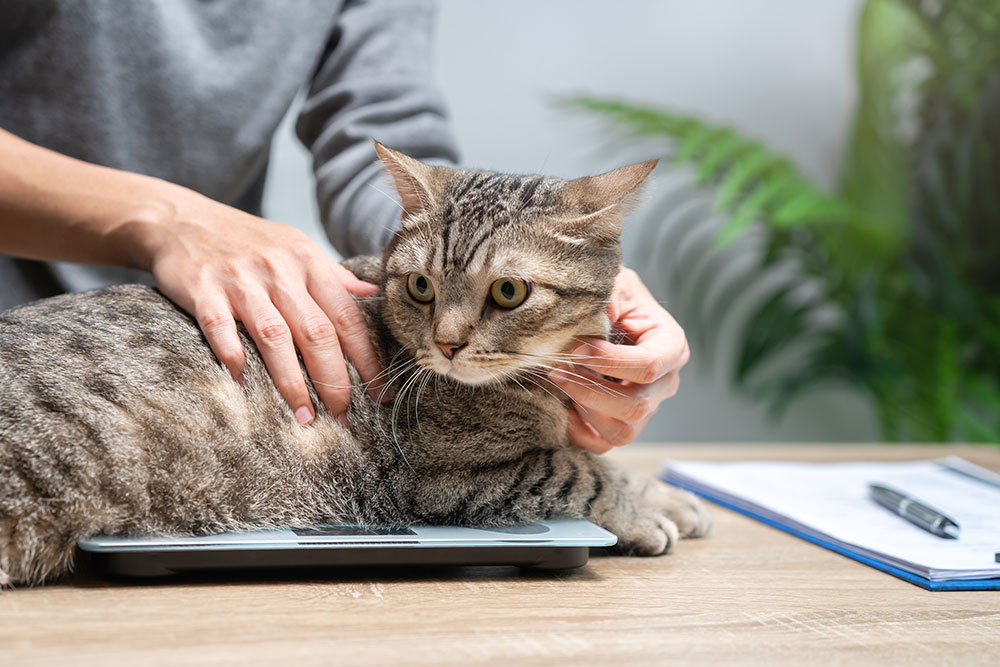
Frequently Asked Questions
How fast should my pet lose weight?
Slow and steady is the right approach. Aim for small, consistent weekly losses rather than rapid change. Rapid weight loss in cats in particular carries health risks. We can set a specific safe target at your visit.
Can my pet keep having treats?
Yes, in moderation. Choose lower-calorie options, count them toward the daily total, and consider replacing some food-based rewards with play or praise. Treats should not exceed 10 percent of daily calorie intake.
Do I need a prescription diet?
For significant weight loss, often yes. Prescription diets are formulated and tested to deliver safe fat loss while preserving lean muscle, which over-the-counter options do not consistently achieve.
What if my pet refuses the new food?
Transition gradually over 7 to 10 days, mixing the new food with the old at increasing ratios. For cats specifically, never allow complete refusal beyond 48 hours. Call us for guidance if the transition is not going smoothly.
Better Condition, Better Years
Extra weight makes movement harder, puts strain on every organ, and shortens the comfortable years your pet has with you. Better body condition makes the daily life you share together noticeably easier and longer.
Our doctors at Tidmore Veterinary Hospital are here to help you assess where your pet stands today and build a practical plan for getting to where they should be. Request an appointment for a body condition assessment and nutritional consultation.

Leave A Comment