


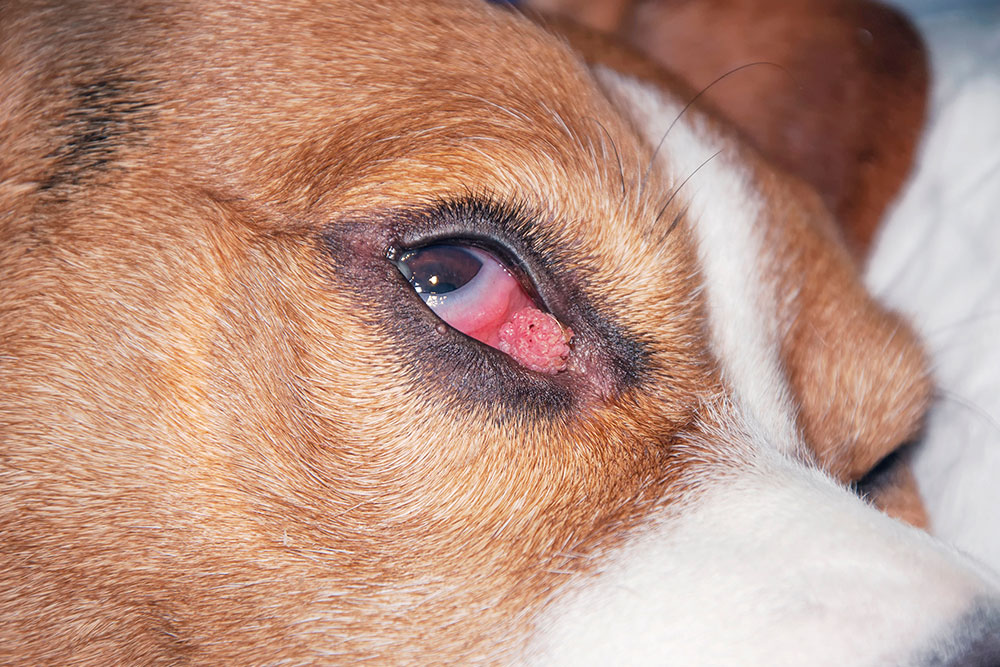
Eyelid problems like entropion (rolling inward) and ectropion (drooping outward) usually warrant surgery once the lid is consistently rubbing the cornea or trapping debris against the eye, and waiting past that point tends to mean more damage, not less. A dog or cat does not need to live with an eye that tears constantly, squints in bright light, or develops one ulcer after another. Some puppies and kittens grow out of mild entropion as the skull matures, so age and severity both shape the timing. The judgment call is whether the lid has crossed from passing irritation into ongoing corneal injury, and a veterinarian who has watched the eye over a few visits can generally read that line clearly.
At Tidmore Veterinary Hospital in Northport, we work up entropion and ectropion with a careful exam, fluorescein staining to map any corneal damage, and a clear conversation about whether the lid can be managed medically or needs to be rebuilt. When correction is the right call, we perform the eyelid surgery in our monitored surgical suite and walk you through cone time, medications, and the recheck schedule before the procedure date is set. As an AAHA-accredited hospital, we hold ourselves to standards fewer than fifteen percent of practices meet, and that shows up in how deliberately we plan each lid procedure. If your dog or cat has been squinting, weeping, or rubbing at a lid that just looks wrong, reach out to our team so we can examine the eye and map out next steps together.
Start Here: The Eyelid Surgery Basics
- Entropion rolls the eyelid inward so lashes and skin scrape the cornea, while ectropion sags the lid outward and leaves the eye exposed.
- Squinting, tearing, pawing at the face, and thick discharge are signs of eye pain, not cosmetic quirks, and they tend to get harder to fix the longer they are ignored.
- Growing puppies and kittens sometimes need only temporary tacking, while pets who have finished maturing usually do best with a conservative, permanent surgical repair.
- Most pets feel dramatic relief after surgery, and while pre-existing corneal scarring may not fully clear, the eye is protected from further damage going forward.
What’s the Difference Between Entropion and Ectropion?
Entropion and ectropion are opposite eyelid malpositions. Entropion rolls the lid inward, so lashes and haired skin drag across the clear surface of the eye. Ectropion sags the lid outward, leaving the delicate inner tissue exposed. Both are structural issues, and both are very fixable once we know which one we are dealing with.
With entropion, all that rubbing feels the way an ingrown eyelash would to a person, except it comes with every single blink. Ectropion creates the opposite problem, with that exposed pink tissue left to collect dust, wind, and debris instead. That difference matters, because the two conditions produce different symptoms and different complications.
Accurate diagnosis is not a formality here. Several eye issues can overlap or masquerade as one another, so a proper evaluation looks at eyelid position, tear production, and the health of the cornea underneath. The AAHA-accredited standards of care we follow at every checkup, combined with in-house diagnostics, sort that out in one visit. You are always welcome to call us if an eye suddenly looks off.
The Breeds and Factors That Raise the Odds
Genetics and facial structure drive most eyelid abnormalities, which is why they cluster in certain breeds rather than appearing at random. Most eyelid disorders come down to the shape of the face and the amount of loose skin framing the eyes.
Entropion tends to run in dogs with loose facial skin, deep-set eyes, or flat faces. Think Chow Chows, Shar-Peis, Bulldogs, Mastiffs, and many retrievers. Ectropion favors breeds bred for a naturally loose, droopy lower lid, such as Bloodhounds, Basset Hounds, Saint Bernards, and Cocker Spaniels. Some dogs, especially giant breeds, carry enough slack in the lids to show both at once. Cats are not exempt either, and flat-faced breeds like Persians and Himalayans carry the same short-muzzle, crowded-eye anatomy that makes the eyelids more likely to roll or sit incorrectly.
Beyond genetics, aging tissue that loses its tone, long-standing inflammation, an old eye injury, or even chronic pain that makes a pet squint hard enough to spasm the lid inward can all tip an eye into trouble.
Is My Pet’s Eye Actually Hurting?
The clearest message an eyelid problem sends is discomfort, and that discomfort shows up in behavior long before anything looks dramatic. Squinting, pawing at the face, tearing that will not stop, and an eye held tightly shut are all signs of eye pain, not cosmetic quirks to watch and wait on. Here is what deserves your attention:
- Squinting or a half-closed eye: often the first clue the lid is rubbing.
- Pawing or face-rubbing: your pet trying to relieve the scratching sensation.
- Excess tearing or wet fur below the eye: the eye flushing itself in response to irritation.
- Redness or visible pink inner lid: especially with ectropion, where tissue sits exposed.
- Sensitivity to bright light: turning away from windows or the sun.
Once these signs settle in, the secondary problems start, and they differ by condition.
Left alone, the constant friction of entropion’s inward-rolling lid can wear the cornea down into corneal ulcers, which are painful, prone to infection, and capable of scarring the eye in ways that put sight at risk. With ectropion, the exposed surface dries out and collects debris, so the eye battles chronic irritation and recurrent infections. Persistent watering or thickened eye discharge often signals that the surface of the eye is already inflamed or fighting off bacteria, and it tends to worsen the longer the underlying lid problem goes uncorrected. The pattern holds for both: the longer you wait, the more complicated the repair becomes, which is why it is worth scheduling an evaluation at the first sign of trouble.
How Will the Vet Figure Out What’s Really Wrong?
Diagnosing an eyelid problem starts with a close, unhurried look at how the lid sits, how the surface of the eye looks, and whether the tears and lashes are behaving, because pinning down the true cause guides everything that follows. It is a step-by-step exam, not a single glance.
- Assess lid position: we watch how the eyelid rests and moves through a full blink.
- Rule out lash issues: part of the workup is checking for eyelash problems, since misplaced or extra lashes can scratch the eye and produce nearly identical symptoms without the lid itself being malpositioned.
- Run the standard eye tests: a handful of standard ocular tests measure tear production, stain the surface to reveal hidden corneal damage, and confirm whether the eye itself is healthy underneath the lid problem.
- Test with topical anesthetic: a drop of numbing medication tells us whether a pet is squinting from structural rolling or simply from pain, since a truly anatomical entropion stays rolled even when the discomfort is gone.
Sorting pain-driven squinting from a genuine anatomical problem changes the plan entirely, which is why we lean on a full eye exam.
From Temporary Fixes to Lasting Repairs: Weighing the Choices
Treatment runs along a spectrum, from temporary measures that buy a young eye some relief to permanent surgery that fixes the lid for good, and the right choice depends on your pet’s age, species, and how structural the problem really is. Here is how those options break down.
| Approach | Best for | What it involves |
| Temporary tacking | Growing puppies, pain-induced squinting | A few sutures to roll the lid outward, repeatable |
| Permanent surgery | Pets done growing, clearly structural cases | Precise reshaping of lid tissue for a lasting fix |
| Combination technique | Many feline cases, complex anatomy | Tailored blend of methods for the individual eye |
When Is Temporary Tacking the Right Call?
Not every case needs surgery right away, and a young, still-growing face is the classic reason to wait. For a growing puppy or a pet squinting from pain rather than true structure, temporary eyelid tacking uses a few small sutures to roll the lid into a better position, buys the eye relief, and can be repeated until the face is mature enough for a permanent decision. Because a puppy’s skull is still changing shape, tacking protects the cornea now without committing to a lasting repair before the anatomy has settled. Once things stabilize, we can revisit whether a permanent correction is needed at all.
What Does Permanent Surgical Repair Involve?
When an eyelid problem is clearly structural and the pet has finished growing, definitive eyelid surgery is the durable answer. The procedure reshapes a precise amount of lid tissue to hold the correct position for good, and a deliberately conservative approach matters here, since removing too much can pull the lid the opposite way and create a new problem. The exact technique depends on the pet’s condition, species, and individual build, so no two repairs are identical. Throughout, a customized anesthesia protocol and continuous monitoring keep your pet safe and comfortable, and the surgical experience of our veterinary team shapes every one of those judgment calls.
Is Entropion Different in Cats?
Cats often present differently than dogs, and their eyelid issues deserve their own lens. Entropion in cats tends to show up later in life and often travels with other eye problems, so feline cases sometimes need a combination of techniques rather than a single standard repair. That makes a full evaluation especially valuable in cats, since we are frequently treating more than one problem at once.
What Actually Happens on Surgery Day?
Surgery day follows a careful, predictable rhythm built to keep your pet safe and calm from arrival to recovery. It starts with a final plan check and ends with a supervised wake-up, with anesthesia, pain management, and monitoring tailored to your pet in between. Knowing the sequence ahead of time takes a lot of the worry out of it.
- Confirm the surgical plan: we recheck the eye and finalize exactly which correction the lid needs.
- Tailor the anesthesia: the protocol is built around your pet’s age, weight, and health, never one-size-fits-all.
- Manage pain proactively: medications are given before and during the procedure so your pet stays comfortable.
- Monitor continuously: trained staff track heart rate, breathing, oxygen, and temperature the whole time.
- Recover under watch: your pet wakes up in a quiet, supervised space as the anesthesia wears off.
All of this happens in our monitored surgical suite, where the oversight and anesthesia safety we build into every procedure do the quiet work of keeping a routine surgery routine.
Bringing Your Pet Home: Protecting the Repair
Recovery from eyelid surgery is usually smooth, and most of the job comes down to protecting the eye, keeping up with medications, and knowing which signs are normal versus worth a call. The first stretch matters most.
What Should the First Few Days Look Like?
Some redness, mild swelling, and a little squinting are expected in the first days, but a few signs mean you should call promptly. This quick contrast helps:
- Normal: mild swelling, slight redness, occasional squinting, small amounts of clear discharge.
- Call us: heavy or bloody discharge, the eye held fully shut past the first day or two, worsening swelling, or a pet who gets at the sutures.
The single most important tool here is the Elizabethan collar, and it needs to stay on around the clock. One good rub or scratch can undo the repair in seconds, so the cone is not optional even when your pet gives you a pitiful look about it. If anything looks off or you are unsure about a medication, reach out with post-operative questions any time.
What Does the Full Healing Timeline Look Like?
Healing unfolds over a few weeks, and it helps to know the milestones so nothing catches you by surprise.
- First 1 to 2 weeks: sutures stay in place while the incision knits together; keep the cone on.
- Suture removal: usually around the two-week mark, once the edges have healed.
- Settling in: the final eyelid position keeps refining for a few weeks after that.
- Rechecks: we see your pet to confirm the lid is sitting where it should.
Occasionally a small revision is recommended once healing is complete, and that is a normal part of aiming for the right result rather than a sign anything went wrong. Because we favor a conservative correction, the goal is a comfortable, well-positioned lid without overcorrecting the other way, and our follow-up visits keep that on track.
What Results Can Families Realistically Count On?
Eyelid surgery has an excellent track record when it is done by an experienced team, and most pets feel noticeably better within days of the lid no longer scraping or exposing the eye. The relief is often the most striking part for families. A few factors shape the final outcome:
- Severity of the malposition: how far the lid was rolled or drooping to begin with.
- Overall eye health: whether the cornea was already scarred or ulcerated.
- Facial maturity: results are most stable once the face has stopped growing.
- Home care quality: consistent cone use and medications during recovery protect the repair.
Realistic expectations help. Corneal scarring that formed before surgery may not fully clear, but the procedure reliably relieves pain and shields the eye from further harm, which is the real goal. One note for show dog families: some breed registries have rules about corrective eyelid surgery, so it is worth checking your registry before scheduling. Our team will continue monitoring eye health at future wellness visits.
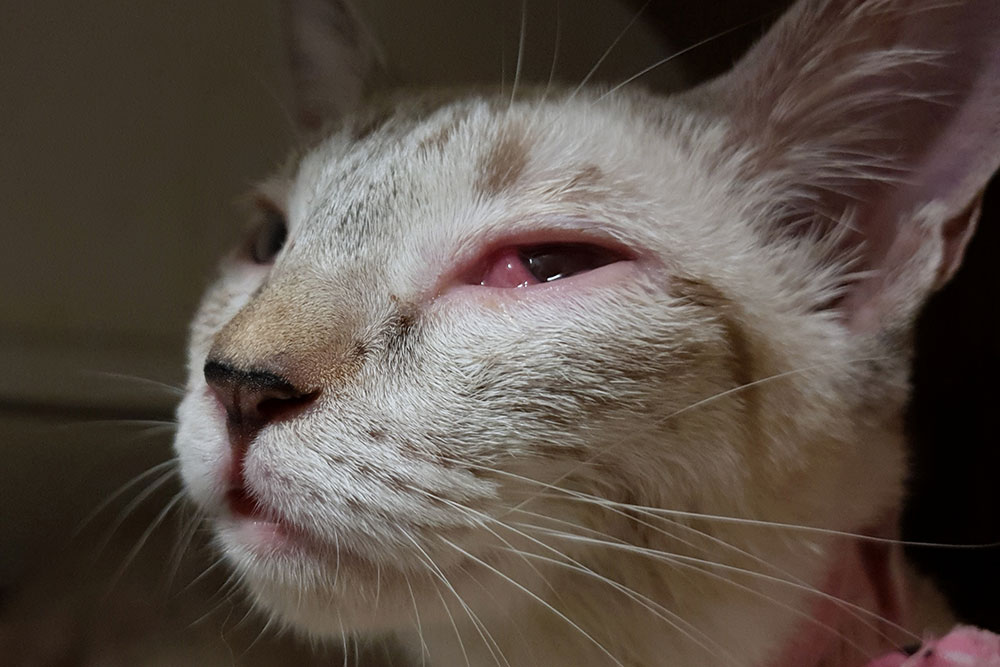
Eyelid Surgery Questions Pet Families Ask Most
Will my pet’s entropion come back after surgery?
For most pets, a well-planned permanent repair holds for life. Because we take a conservative approach, the lid is corrected to a natural position rather than overcorrected, which lowers the chance of problems later. Occasionally a young or severe case needs a small revision as the face finishes maturing, but a true recurrence of the original problem is uncommon once the anatomy has stabilized and the correction has fully healed.
Is eyelid surgery painful for my dog or cat?
Your pet is fully under anesthesia during the procedure, so they feel nothing at the time. Afterward, we send home pain medication, and most pets are comfortable within a day or two. The bigger irritation for many is the cone, not the incision. If your pet seems painful beyond mild discomfort, holds the eye shut, or stops eating, that is worth a call so we can check in.
My puppy has mild entropion. Do we have to operate now?
Not necessarily. Some puppies grow out of mild entropion as the skull matures, so we may recommend watching it or using temporary tacking to protect the cornea in the meantime. Permanent surgery is usually best saved until the face has finished growing, so the repair matches the adult anatomy. The key is monitoring the eye so we catch any corneal damage early rather than waiting past the point where it starts.
Let’s Get Your Pet’s Eyes Comfortable Again
Entropion and ectropion are highly manageable, and timely, precise treatment restores comfort and protects your pet’s vision for the long haul. If you are seeing squinting, tearing, or a lid that just looks wrong, do not wait for it to sort itself out.
Tidmore Veterinary Hospital provides expert veterinary eye care for dogs and cats in Northport, including surgical care that gives your pet lasting relief. Book a consultation whenever you are ready.

Leave A Comment