


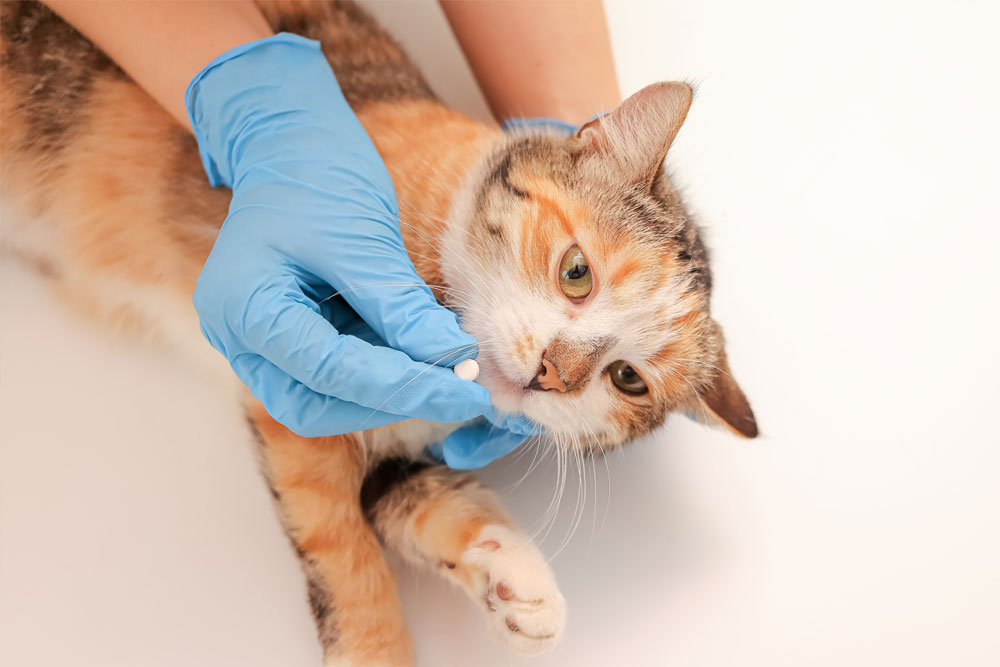
Intestinal parasites are one of the most common health issues in young animals, and they are present more often than most new families expect. Puppies and kittens are frequently born with or acquire parasites in the first days of life through their mother’s milk or the environment, and the standard deworming protocol exists precisely because waiting to see symptoms before treating is too late. By the time roundworms, hookworms, or other parasites cause visible illness, the burden in a young animal can be significant.
Tidmore Veterinary Hospital in Northport is an AAHA-accredited practice with deep roots in the Tuscaloosa community and a culture of staying at the leading edge of small animal medicine. Our services include comprehensive puppy and kitten wellness care that incorporates appropriate parasite screening and deworming protocols tailored to each patient. Request an appointment or contact us to get your new pet’s wellness program started right.
Key Takeaways
- Puppies and kittens need deworming every two weeks from about 2 weeks of age through 16 weeks, because new larvae mature into adults between each round and reinfection risk is high.
- Most infected puppies and kittens show no visible symptoms until parasite burden is already substantial; baseline fecal testing at the first wellness visit catches what is present from the start.
- Several common pet parasites including roundworms and hookworms are zoonotic and can infect children and immunocompromised household members through contaminated soil or contact.
- Year-round prevention is the current standard of care, especially in warm humid climates like Alabama where heartworm-carrying mosquitoes are active even during cooler months.
Why Is Deworming a Key Part of Puppy and Kitten Care?
Deworming is not a one-and-done event. A single dose eliminates the adult parasites currently present, but it does not address the larvae and immature stages still developing in body tissues. Those stages mature into adults within a few weeks, and the next scheduled dose targets them before they can reproduce and shed eggs. The reason puppies and kittens need repeated treatments at specific intervals comes down to parasite biology:
- Larvae can remain dormant in tissue and reactivate later
- Some parasites require multiple treatment rounds to fully clear
- Reinfection risk is high in young animals during environmental exposure
Skipping doses or spacing them too far apart allows a new generation of parasites to establish itself between rounds, defeating the purpose of the schedule entirely. Young pets are particularly vulnerable to parasite damage because they have immature immune systems, smaller energy reserves, and bodies still in active development.
Why Aren’t Parasite Infections in Young Pets Always Visible?
The biggest mistake with parasites is waiting to see symptoms before treating. Most infected puppies and kittens show no obvious signs until the parasite burden is already substantial. By the time your pet looks sick, the infection has had weeks or months to affect growth, development, and organ health.
Intestinal parasites often produce vague signs that are easy to attribute to other things:
- Occasional soft stool
- Slightly less energy than expected
- A dull coat
- Slower weight gain
These can all be parasites, or they can be normal puppy and kitten variability. The only reliable way to know is testing combined with proactive deworming. Starting the deworming schedule early, before symptoms appear, is the only way to interrupt the parasite cycle at the right time.
What Are the Most Common Parasites in Puppies and Kittens?
Several parasites show up regularly in young pets, each with its own transmission pattern and treatment considerations. Roundworms and hookworms are the most common intestinal worms, whipworms and tapeworms become more relevant as pets get older or with outdoor exposure, and protozoal infections like coccidia and giardia need different testing and medications entirely.
Roundworms and Hookworms
Roundworms are the most common intestinal parasite in young pets. They can be transmitted from mother to offspring before birth (transplacentally) or through nursing (transmammary), meaning puppies and kittens can arrive already infected. The eggs persist in soil for years, making reinfection easy even after successful treatment of the current generation.
Hookworms have similar transmission routes; hookworms are smaller but particularly harmful because they consume blood from the intestinal wall. In very young animals, hookworm-related blood loss can cause life-threatening anemia. Pale gums, weakness, and lethargy in a young pet should always prompt parasite testing.
Whipworms and Tapeworms
Whipworms primarily affect dogs and become a concern as puppies spend more time outdoors. They cause chronic, often intermittent digestive symptoms (soft stool, mucus, occasional blood) and can be missed on routine fecal testing because they shed eggs inconsistently. Multiple fecal tests over time may be needed to identify them. Whipworm eggs are also remarkably hardy, persisting in soil for years.
Tapeworms are acquired differently. Pets ingest tapeworm-infected fleas (often during grooming), which means eliminating tapeworms requires addressing fleas in the environment simultaneously. Tapeworm segments are sometimes visible near the tail, around the bottom, or in bedding, and resemble small grains of rice (sometimes still moving when fresh).
Understanding the flea life cycle helps with elimination. Adult fleas on your pet represent a small fraction of the total population; eggs, larvae, and pupae throughout the home environment need to be addressed for complete control. Year-round flea prevention addresses both the flea and tapeworm cycles simultaneously.
Coccidia and Giardia
Coccidia and giardia are single-celled organisms (protozoa) rather than worms. They are not covered by standard dewormers and require specialized fecal testing to identify and different medications to treat. Both cause watery diarrhea, dehydration, and poor weight gain in young animals. Both are common in shelter and rescue environments where dense populations and shared spaces facilitate transmission.
Giardia prevention is particularly challenging because pets can reinfect themselves through licking or contact with their own feces. Practical steps to break the recontamination cycle during and after treatment:
- Clean fecal material from the yard and indoor areas daily
- Bathe your pet at the end of the treatment course to remove any cysts on the coat
- Disinfect food bowls and bedding
- Wash bedding in hot water
- Limit access to water sources where reinfection might occur
Coccidia treatment is generally simpler than giardia because cysts do not persist on your pet’s coat in the same way, but environmental management still helps prevent reinfection.
Why Is Fecal Testing a Separate and Essential Part of Parasite Care?
No single dewormer treats every parasite type, and no single fecal test detects everything. Fecal testing is what tells us what is actually present so treatment can be targeted rather than guesswork. Routine fecal flotation identifies eggs from the most common worm species, while more advanced panels (PCR-based testing, antigen testing) improve detection for organisms that shed inconsistently or require specific identification.
Situations where additional or repeated fecal testing is particularly valuable:
- Persistent symptoms despite treatment
- Recent exposure to shelters or high-contact environments
- Multi-pet households with one confirmed infection
- Intermittent or vague digestive symptoms that have not been explained
- Ongoing diarrhea or weight loss in a young animal
Baseline fecal testing at the first puppy or kitten visit establishes what is present from the start. Repeat testing throughout the deworming series confirms the treatment is working. A negative test before transitioning to monthly preventive maintenance confirms that the early intensive phase was successful.
How Often Should Puppies and Kittens Be Dewormed?
The standard protocol involves deworming every two weeks from approximately 2 weeks of age through between 8 and 16 weeks of age (or until the fecal test is consistently negative). Monthly heartworm and intestinal parasite prevention starts as early as possible- typically between 8 and 16 weeks- and continues year-round. The two-week interval matches what is happening biologically and is what keeps the parasite cycle from re-establishing between rounds. The exact protocol will depend on your pet, their exposure risks, and health status.
Why every two weeks specifically:
- Adult parasites currently in the intestine produce eggs that contaminate the environment
- Larvae and immature stages developing in tissue mature into adults over the following weeks
- Deworming every 2 weeks eliminates each new wave of adults before they can reproduce
Skipping doses or spacing treatments too far apart allows a new generation of adults to establish and reproduce between rounds, contaminating the environment with eggs that lead to reinfection.
The deworming schedule fits within the broader puppy and kitten visit schedule, with vaccines, weight checks, parasite prevention, dietary discussions, behavioral guidance, and other components all coordinated together. Our puppy and kitten wellness services in Northport build the schedule around what your specific pet needs.
Why Is Year-Round Parasite Prevention So Important?
Year-round parasite prevention is the current standard of care across virtually all of the United States. The “seasonal” approach to prevention is outdated; many parasites remain active through periods that feel like off-season, and gaps in coverage create real vulnerability. In Alabama specifically, the warm humid climate supports year-round mosquito and parasite activity.
Heartworm-carrying mosquitoes are present at meaningful levels even during cooler months. Regional parasite prevalence maps consistently show the Southeast (including Alabama) among the highest-risk areas for heartworm in the country.
Heartworm prevention is especially critical because heartworm infection is preventable but treatment for established disease is expensive, lengthy, and carries real risk. The contrast between monthly prevention costs and the cost of treating heartworm disease is dramatic.
Monthly combination products that cover heartworm alongside intestinal parasites simplify the prevention plan, providing protection through a single monthly dose. Different products cover different parasites; selecting the right one for each pet’s lifestyle is part of the wellness conversation. Regular fecal testing remains valuable even for pets on monthly preventives, since no single product covers every parasite type. The number of recommended fecal testings per year for adult pets will depend on their exposure risk; once is probably enough for a fully indoor cat, but a dog who hikes, goes to daycare, lives on a farm, or hunts might need one every few months. Our team will go over the right schedule for your pet and we’ll make a plan together.
How Does My Pet’s Lifestyle Affect Their Parasite Risk?
Prevention and testing frequency should be calibrated to how each pet actually lives. A primarily indoor cat in a single-pet home faces a very different risk profile than a hunting dog who spends weekends in the woods, and the wellness plan looks different accordingly.
Higher-risk scenarios:
- Regular outdoor access
- Hunting or scavenging behavior
- Contact with livestock
- Visits to dog parks, daycares, or boarding facilities
- Multi-animal households
- Rural or agricultural environments around Tuscaloosa County
Warm climates and dense urban green spaces also create consistent year-round exposure. Lower-risk lifestyles include indoor-only cats with no outdoor access, dogs with primarily leashed neighborhood walks and limited contact with other animals, and households without other pets. Even in these lower-risk scenarios, prevention is still recommended because exposure points exist (insects entering the home, soil tracking, contact during grooming visits).
The wellness visit is where these lifestyle conversations happen, and where the prevention plan gets adjusted to actual risk rather than applied as one-size-fits-all. Our doctors follow the latest AAHA recommendations to ensure your pet receives nothing but the best medical care.
Which Parasites Can Spread to People?
The Zoonotic Concern
Several common pet parasites are zoonotic, meaning they can infect humans. This is why early aggressive treatment matters not just for your pet but for the household. Larvae can penetrate human skin on contact (particularly bare feet on contaminated soil). Children walking barefoot in yards where infected pets defecated are at particular risk, which makes household management (prompt waste removal, daily yard cleanup) part of the broader treatment approach.
Children and immunocompromised individuals have increased risk because their developing or weakened immune systems make exposure more likely to result in clinical disease. Practical household hygiene plus consistent parasite prevention for your pet dramatically reduces the risk to everyone in the home.
The major zoonotic concerns:
- Roundworms: eggs ingested from contaminated soil; larvae can migrate through tissues including eyes
- Hookworms: larvae penetrate skin on contact with contaminated soil
- Giardia: occasional transmission in certain settings
- Tapeworms: rare but possible if infected fleas are ingested
Practical household steps to reduce risk:
- Promptly remove and dispose of pet waste from yards (daily ideal, weekly minimum)
- Wash hands after handling pets, especially before eating
- Cover sandboxes when not in use to prevent cats from using them as toilets
- Keep children from putting outdoor objects (sand, soil, toys left outside) near their mouths
- Wear shoes outdoors, particularly in areas where pets defecate
- Avoid letting your pet lick your face, especially around your mouth
- Maintain consistent prevention for all household pets
- Get baseline fecal testing on new pets before introducing them to existing pets or children
These steps do not eliminate risk entirely, but they significantly reduce the likelihood of household transmission. Our in-house laboratory provides fast baseline fecal testing as part of every new puppy and kitten visit, so we can confirm what is present and tailor treatment accordingly.
What Happens at a Deworming Appointment?
Deworming visits are typically brief and straightforward. The appointment includes a physical examination, weight check (for accurate dose calculation), fecal testing if indicated, and medication administration based on your pet’s age, species, and any test findings. Most visits also include conversation about the next round, upcoming vaccinations, and any questions you have about your puppy or kitten’s early-life care.
Medications are available in multiple forms:
- Liquid, often best for very small puppies and kittens, dosed precisely by weight
- Paste, easy to administer to wiggly young animals
- Tablet or chewable, often well-tolerated by older puppies and kittens, with flavored options available
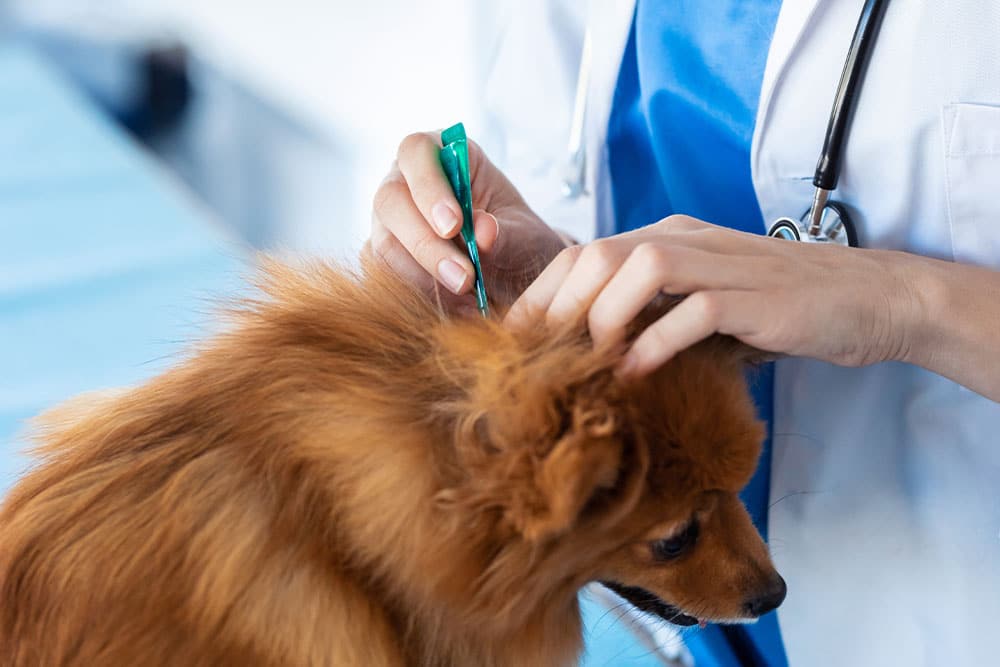
- Topical, an alternative for pets who resist oral medication
Common mild side effects can include soft stool or a temporary decrease in appetite for a day or two after treatment. Seeing worms passed in the stool is possible, but not seeing visible worms does not mean treatment failed. Many parasites are too small to see, and adult worms may be digested before passing.
When to contact us after a deworming treatment:
- Persistent vomiting
- Severe or bloody diarrhea
- Significant lethargy beyond a day or two
- Any signs that concern you
Mild side effects resolve quickly; persistent symptoms warrant evaluation.
Frequently Asked Questions About Deworming Puppies and Kittens
Why does my puppy need to be dewormed if the breeder said they were already treated?
Single treatments do not clear all parasites. The breeder’s deworming addressed adults present at that time, but new larvae mature into adults over the following weeks.
How do I know if my pet has worms?
Sometimes you will see them, but often you will not. Fecal testing detects eggs even when no visible signs are present. Routine testing during puppy and kitten visits is the reliable way to know.
Can I use over-the-counter dewormers?
Some over-the-counter products work for specific parasites, but they do not cover the full range of what young pets typically need. Veterinary-prescribed dewormers are tailored to your specific pet.
What if my pet has fleas? Do I need a different dewormer?
If fleas are present, tapeworm risk is significant. Flea control is part of the overall parasite plan, and your veterinarian may recommend a tapeworm-specific treatment alongside flea elimination from the home environment.
How long do worms persist in my yard or home?
Some parasite eggs persist in soil for years. Daily waste removal and limiting contaminated areas help reduce environmental burden.
Starting Your Puppy or Kitten’s Parasite Prevention Plan
The framework is straightforward: early repeated deworming clears the parasites currently present, monthly prevention stops reinfection going forward, and regular fecal testing confirms everything is working. Each piece supports the others, and skipping any of them creates gaps that parasites exploit.
Our doctors tailor every early-life care plan to the individual pet, accounting for their origin, lifestyle, and household environment. Request an appointment or contact us to get your puppy or kitten’s parasite prevention plan in place.



Leave A Comment