


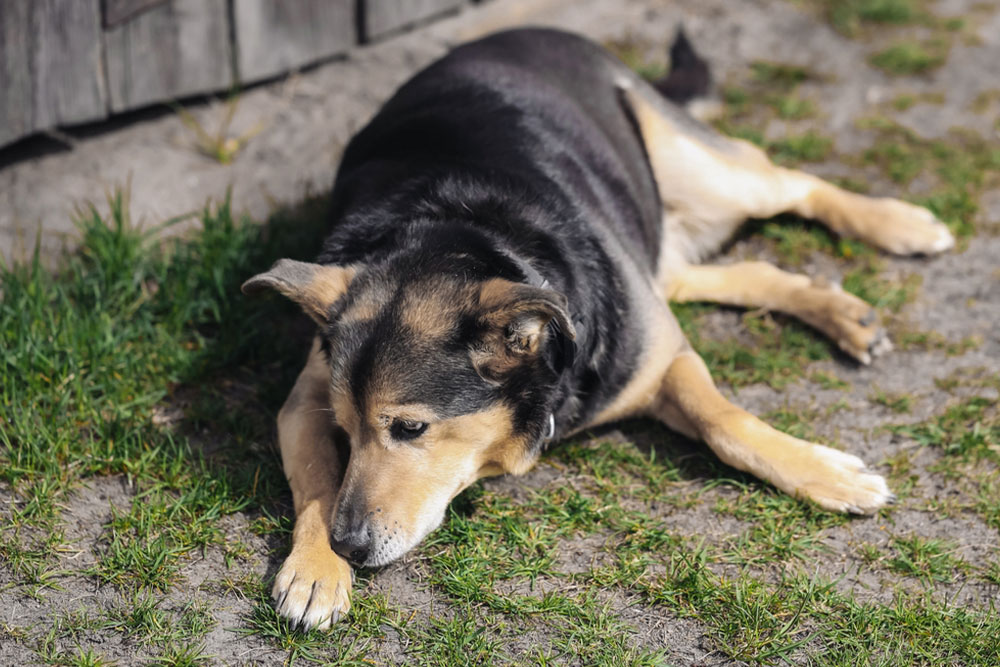
Aging reworks a dog or cat one body system at a time: the kidneys filter less efficiently, the thyroid drifts off balance, blood pressure creeps upward, and the heart, lungs, and joints slowly remodel. None of those changes announce themselves early, so senior screening assigns each system its own test: bloodwork and urinalysis for the organs, a blood pressure check for the vessels, and X-rays for the chest, abdomen, and joints. The gray muzzle and the longer naps are ordinary aging; kidney disease, thyroid imbalance, and a struggling heart are not, and every one of them is easier to manage when it is found early. For dogs the senior chapter opens around age six or seven depending on size, and for cats closer to ten, which is when checking each system on a regular schedule starts to pay off.
Senior exams at Tidmore Veterinary Hospital in Northport move through the body the same way aging does, system by system, with bloodwork, urine testing, and X-ray imaging matched to the organs most likely to change first. We can add an EKG when the exam turns up an irregular heart rhythm, and as an AAHA-accredited hospital we hold that whole workup to independently inspected standards. You will hear what each result means in plain language, and we decide on next steps together instead of handing you a printout on the way out. For a dog or cat entering that senior stretch, get in touch and we will map out the right workup.
What Changes With Age, and What We Watch
- Dogs usually reach their senior years around age six or seven, while cats cross that line closer to ten.
- Kidney disease, thyroid imbalance, high blood pressure, and heart disease can all advance for months without a single outward sign, so labs and imaging often find them before you would.
- A full senior workup pairs blood and urine testing with a blood pressure check and X-rays, and we tailor the mix to your dog or cat rather than running the same panel on everyone.
- Twice-yearly visits let us compare each result against the last one, so a value that’s still technically normal but drifting the wrong way gets caught early.
Why Isn’t a Regular Checkup Enough for an Older Dog or Cat?
A standard checkup relies on what our hands and eyes can find, and an aging body hides its early trouble well. Much of what threatens an older pet takes hold quietly in the months between annual visits, which is why preventive testing belongs right alongside the hands-on exam. In a single year, a kidney can lose a real chunk of its filtering power or a thyroid can slide well off balance, all while your pet still acts more or less like themselves. Six-month intervals shrink that blind window, which is why we schedule twice-yearly senior checkups once pets reach that stage.
The other quiet advantage is trend-tracking. A single lab value can sit inside the reference range and still be sliding the wrong way, and with last year’s numbers to hold it against, a creeping creatinine or a slowly climbing thyroid hormone stands out long before it crosses into abnormal. That head start is often what makes a condition manageable instead of advanced.
What Does a Full Senior Screening Actually Include?
Senior pet care recommendations fold bloodwork, urinalysis, blood pressure, and imaging into one twice-yearly plan. A young, healthy senior with clean prior labs may need a lighter panel, while a cat with a history of weight loss or a large-breed dog with a murmur gets a more thorough look. Rather than working from a fixed checklist, our veterinarians build the workup around what your pet is most likely to face.
What Can a Senior Blood Panel Catch Before Symptoms Show?
Blood work gives us an internal snapshot of the organs and cells weeks to months before your dog or cat looks or acts sick. A single draw can turn up trouble while everything still seems perfectly fine at home.
Here’s what a typical senior panel looks at:
| Blood test | What it measures | What it can reveal |
| Complete blood count (CBC) | Red cells, white cells, and platelets | Anemia, infection, inflammation, and some clotting problems |
| Chemistry panel | Organ enzymes, proteins, glucose, and electrolytes | Kidney and liver disease, diabetes, and dehydration |
| Heartworm and tick-borne testing | Parasite antigens and antibodies | Heartworm infection and exposure to Lyme, ehrlichia, and anaplasma |
| Thyroid testing (T4) | Circulating thyroid hormone | An underactive gland in dogs or an overactive one in cats |
We can run much of this bloodwork in our in-house lab, and every result gets read against your pet’s own history rather than the reference range alone.
Why Does Blood Pressure Matter for an Aging Pet?
Blood pressure matters because a pet can’t tell you their vision is going or their kidneys are under strain. Left unchecked, hypertension quietly damages the eyes, kidneys, heart, and brain, and it often travels alongside kidney disease and an overactive thyroid.
That’s why a pressure reading belongs in the routine senior visit rather than being saved for pets who already seem ill. Taking it looks a lot like it does at your own doctor: a small inflatable cuff on a leg or the tail, a quiet moment to let your pet settle, and a few measurements averaged together. No needles, no sedation.
When the numbers come back high, we look for and treat whatever’s driving it, then add a daily medication to bring the pressure itself down. Catching it early can spare a senior pet the sudden, often permanent blindness a hypertensive crisis can trigger, a risk that falls hardest on cats.
What Does a Urine Test Reveal That Bloodwork Misses?
Urinalysis reads what blood can’t, flagging early kidney trouble, hidden infections, diabetes, and bladder disease from a single sample. It measures how well the kidneys are concentrating, checks for sugar, protein, and crystals, and looks under the microscope for the bacteria and cells that point to infection or inflammation.
Early kidney disease often shows up as overly dilute urine before the waste products in the bloodstream ever climb, so a chemistry panel alone can read as clean while the sample is already waving a flag. Run the two side by side and you get a fuller picture: the blood shows what’s circulating, the urine shows what the kidneys and bladder are doing with it.
How Do We Screen a Senior Heart That Seems Perfectly Healthy?
A senior heart can be well into disease before a cough, a slowdown, or even a murmur shows up, so cardiac screening looks for the changes an exam alone can miss. The tools are all noninvasive and well tolerated, and each one answers a different question:
| Screening tool | What it shows | Notes |
| Chest X-ray | Size and shape of the heart and the lungs around it | Quick, painless, usually the first imaging step |
| ECG | The heart’s electrical rhythm | Painless, and spots irregular or abnormal beats |
| NT-proBNP blood test | A marker released when heart muscle is stretched | A simple blood draw that flags strain early |
| Echocardiogram | The beating chambers, valves, and flow in real time | The most detailed view, with no sedation for most pets |
If the X-ray or the exam raises a question, an echocardiogram is usually the next step, and we’ll point you toward where that detailed study can be done.
When Does a Senior Pet Need X-Rays or an Ultrasound?
Imaging enters the picture when the exam or the bloodwork raises a question that pictures can answer: a murmur, a limp, unexplained weight loss, a mass your hands can feel, or a belly that feels off.
Radiography captures the size and outline of the heart, lungs, and skeleton in a single image, which is why it’s usually the first step when a limp or a suspicious lump needs explaining. X-rays are fast, painless, and part of the digital imaging we use to see past what the exam can reach. Where a radiograph reads outline, density, and bone, an ultrasound looks inside the soft organs in real time, and we’ll talk through where that study can be done when it’s the better tool.
Which Conditions Is Senior Screening Actually Looking For?
Senior screening isn’t fishing in the dark. It’s looking for a short list of conditions that grow common with age, most of which respond far better to early treatment than to a late diagnosis.
Thyroid Disease in Dogs (Hypothyroidism)
In dogs, hypothyroidism slows the metabolism enough to cause weight gain, low energy, and a thinning coat that many families write off as simply getting older. Other clues include recurring skin infections and a dog who hunts for warm spots and still seems cold. A single blood test measures the hormone, and treatment is a daily oral replacement that most dogs respond to well, often with visible changes within a couple of months.
Thyroid Disease in Cats (Hyperthyroidism)
Cats tend to run the other direction, where hyperthyroidism revs the whole body into weight loss despite a ravenous appetite, a racing heart, and restlessness. You might notice a senior cat who suddenly acts half their age or yowls at night. Left alone it strains the heart and kidneys, but the options are good: a daily medication, a prescription diet, or a radioactive iodine treatment that can cure it outright.
Kidney Disease in Senior Pets
Chronic kidney disease is one of the most common conditions of old age, and because pets hide it until roughly two-thirds of function is already gone, bloodwork usually finds it first. The early signs are easy to miss: drinking and peeing more, a little weight loss, a pickier appetite. There’s no cure, but a kidney-friendly diet, fluids, and medications that ease the workload can slow it down and keep a pet comfortable. Because managing it well takes regular monitoring, our doctors build a check-in schedule around each pet’s stage.
Diabetes in Senior Pets
Diabetes shares its opening act of symptoms with kidney disease, which is part of why the two get confused at home: more drinking, more urinating, and weight loss. The difference shows up in the lab, where sugar turns up in both the blood and the urine. Cats sometimes develop a distinctive dropped-hock, flat-footed walk, while dogs may develop cataracts. Most pets do well on twice-daily insulin once the dose is dialed in, and a meaningful number of cats go into remission when it’s caught early and paired with the right diet.
Heart Disease in Senior Pets
The common heart problems sort out by species and size. Small-breed dogs most often develop mitral valve disease, where a worn valve begins to leak. Large breeds lean toward dilated cardiomyopathy, where the muscle weakens and stretches, and cats trend toward hypertrophic cardiomyopathy, where the walls thicken. Caught before the heart is failing, many of these pets do very well for years on medication, and even congestive heart failure is often manageable once we know it’s there.
Cognitive Decline in Senior Pets
The brain ages too, and this is the change families most often mistake for ordinary old age. Cognitive dysfunction shows up as pacing or restlessness at night, staring at walls or getting stuck behind furniture, forgetting housetraining, sleeping through the day and waking through the dark hours, or a dog who stops greeting you at the door. It comes on gradually, which is exactly why it gets attributed to slowing down.
Diet, supplements, medication, and simple changes at home, like night lights and a predictable routine, all help.
Cancer Screening in Senior Pets
Several of the types of cancer in pets grow more likely with age, and the exams and imaging built into senior screening are how many are caught while they’re still small and treatable. Lymphoma, hemangiosarcoma, and osteosarcoma all show up more in older dogs, so a new lump, a swelling, or unexplained weight loss always needs a closer look. When we find a mass, a quick cytology sample often tells us whether it’s worrying or harmless, sometimes right in the building. Most lumps we check turn out to be nothing, and finding the few that aren’t is the whole point.
Liver Disease in Senior Pets
The liver rarely complains until it’s in real trouble, which is why bloodwork often flags it first, through enzymes that climb before your dog or cat ever looks unwell. When signs do appear, they tend to be vague: a drop in appetite, occasional vomiting, low energy, and in more advanced cases a yellow tinge to the gums or eyes. Because the liver can regenerate, a lot depends on the cause, so we usually pair bloodwork with imaging to sort out what’s happening and build the plan from there.
Arthritis and Joint Pain in Senior Pets
Sore joints are one of the most under-reported problems in older pets, partly because animals hide pain and partly because slowing down looks so ordinary. Around Northport and Tuscaloosa, families often notice it once the summer heat breaks and the evening walks get longer, or colder weather sets in: dogs lag behind or balk at stairs, and cats stop making the high jumps they used to and groom less.
A hands-on exam and sometimes X-rays confirm which joints are affected, and thermal imaging gives us another way to map where inflammation is sitting, which is useful in a patient who can’t point to the sore spot. From there the options are better than they’ve ever been.
- For dogs, Librela is a once-monthly injection that intercepts the nerve signals behind arthritis pain, a very different approach from daily anti-inflammatories, and a similar monthly injection is now available for cats called Solensia.
- We also use laser therapy to ease inflammation and support mobility, and Traditional Chinese Veterinary Medicine, including acupuncture, gives some pets real relief.
- Joint supplements and steady weight management round out the plan.
Dental Disease in Senior Pets
That whiff when your dog yawns or your cat leans in close is usually the first sign of trouble in the mouth. By age three most pets already have some degree of periodontal disease, and by age ten it can cause serious damage. Steady dental care protects far more than the mouth, since the bacteria under the gumline strain the heart, liver, and kidneys. Other signs include red or bleeding gums, dropping food, and pawing at the face. A truly thorough cleaning happens under general anesthesia, which lets us scale below the gumline and take dental X-rays to check the roots hidden beneath. Pre-anesthetic bloodwork is what makes that safe, and AAHA anesthesia standards mean an older pet is monitored closely throughout.
What Should I Be Watching For Between Visits?
You see your pet every day, which makes you the best early-warning system there is. Screening catches what you can’t see, and you catch what a twice-yearly visit would otherwise miss. Call us if you notice any of these, rather than waiting for the next appointment:
- Drinking or urinating noticeably more, which points toward kidneys, thyroid, or diabetes.
- Weight change in either direction, especially loss in a pet whose appetite hasn’t dropped.
- New lumps, or an old lump that has changed in size, firmness, or how it moves under the skin.
- Coughing, faster resting breathing, or tiring sooner on the same walk they’ve always done.
- Reluctance on stairs, hesitating before a jump, or a cat who has stopped getting to a favorite high spot.
- Confusion, night pacing, or accidents in a pet who has been reliably housetrained for years.
Common Questions About Senior Pet Screening
At what age should screening start for my dog or cat?
For most dogs the senior years begin around age six or seven, and large and giant breeds often reach them a year or two sooner because they age faster. Cats usually cross that line closer to ten. Even before then, one baseline set of labs is worth having, since comparing future results to a healthy starting point is where much of the early-warning value comes from.
My pet seems totally healthy. Is this testing really necessary?
Feeling fine is exactly when screening earns its keep. Dogs and cats are wired to mask illness, so by the time symptoms are obvious, a condition like kidney or thyroid disease is often well along. Bloodwork, urine, and a blood pressure check look underneath that calm surface and catch changes months earlier, which usually means simpler, gentler treatment and a longer stretch of good years.
Does my pet need to be sedated or fast for a senior screening?
For most of the workup, no. The blood pressure check, X-rays, and urine collection are all done fully awake, and the physical exam is hands-on and low-stress. We do sometimes ask you to hold breakfast before a blood draw, since food can skew a few chemistry values. If a more involved test like a dental cleaning or an echocardiogram is recommended, we’ll walk you through what that one specifically requires.
Getting Ahead of Your Senior Pet’s Health
Senior screening is all about catching problems while they are smaller, more easily treatable, and less expensive to treat. We want to find a kidney, thyroid, or heart change before serious damage is done, and treat it on your terms instead of in a middle-of-the-night crisis.
If your pet is heading into their senior years, reach out to Tidmore Veterinary Hospital with whatever questions are on your mind. When you’re ready, we’ll book a senior screening here in Northport and build a plan that fits your pet.

Leave A Comment